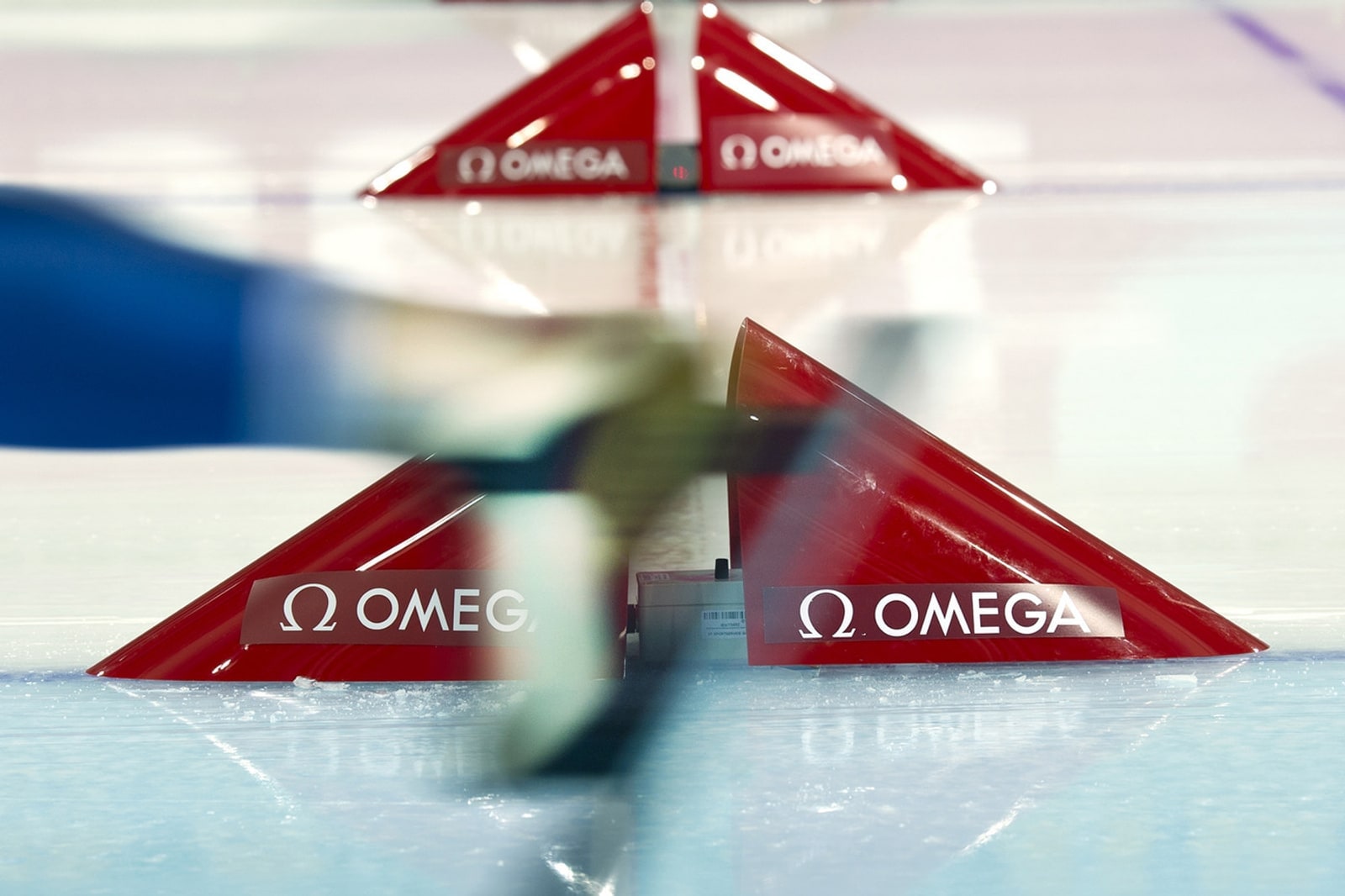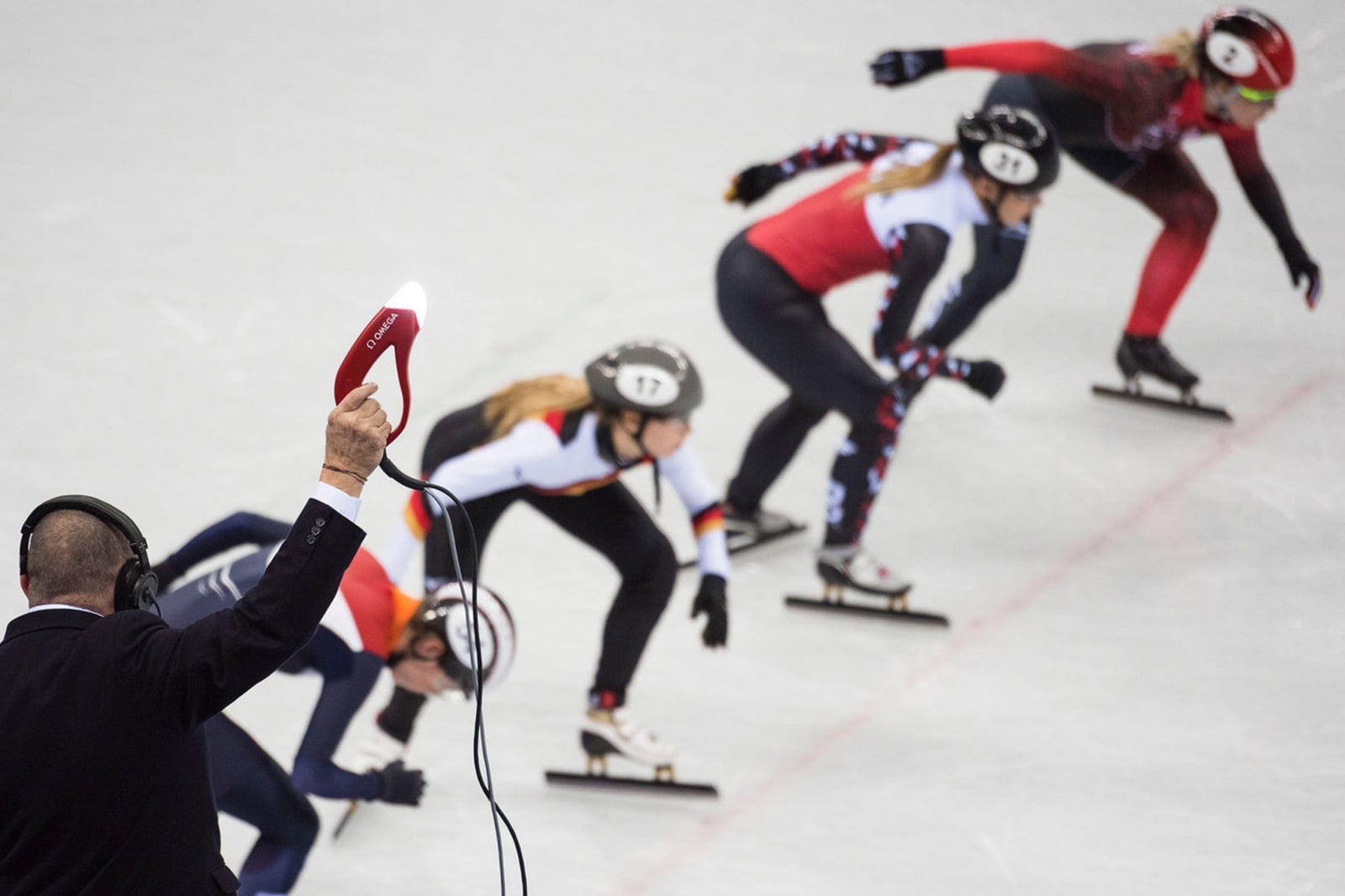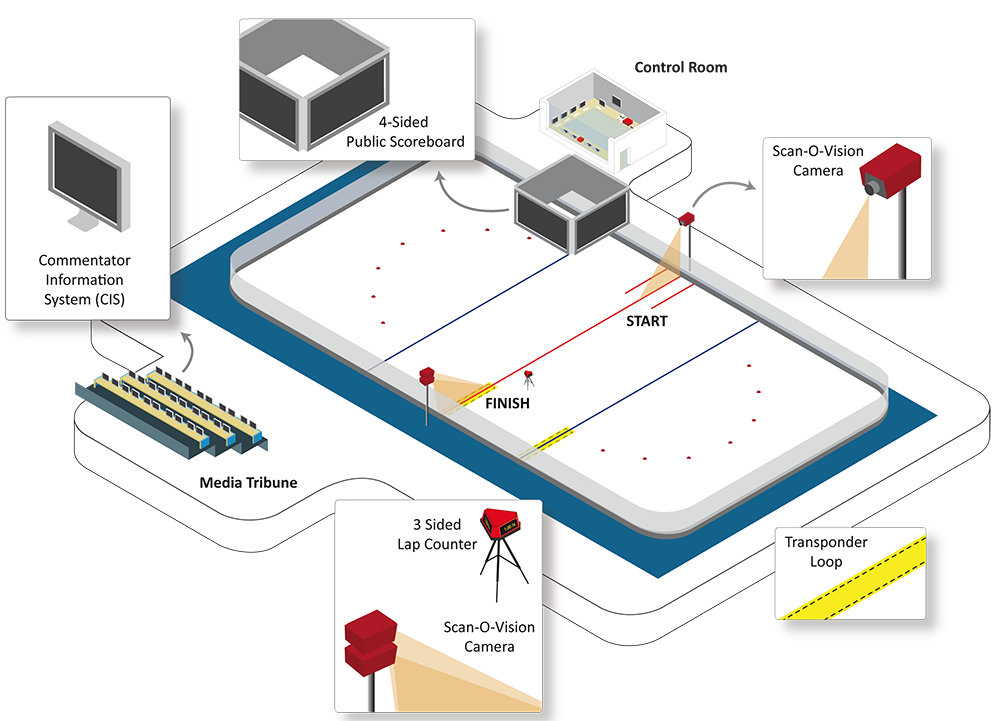
Swiss Timing was a forerunner when it introduced its digital photo finish ‘Scan-O-Vision’ camera at the Short Track events of the Olympic Winter Games Albertville 1992. Since then, the system, which identifies arrival times to mere thousandths of a second, has been both common and compulsory in Short Track.
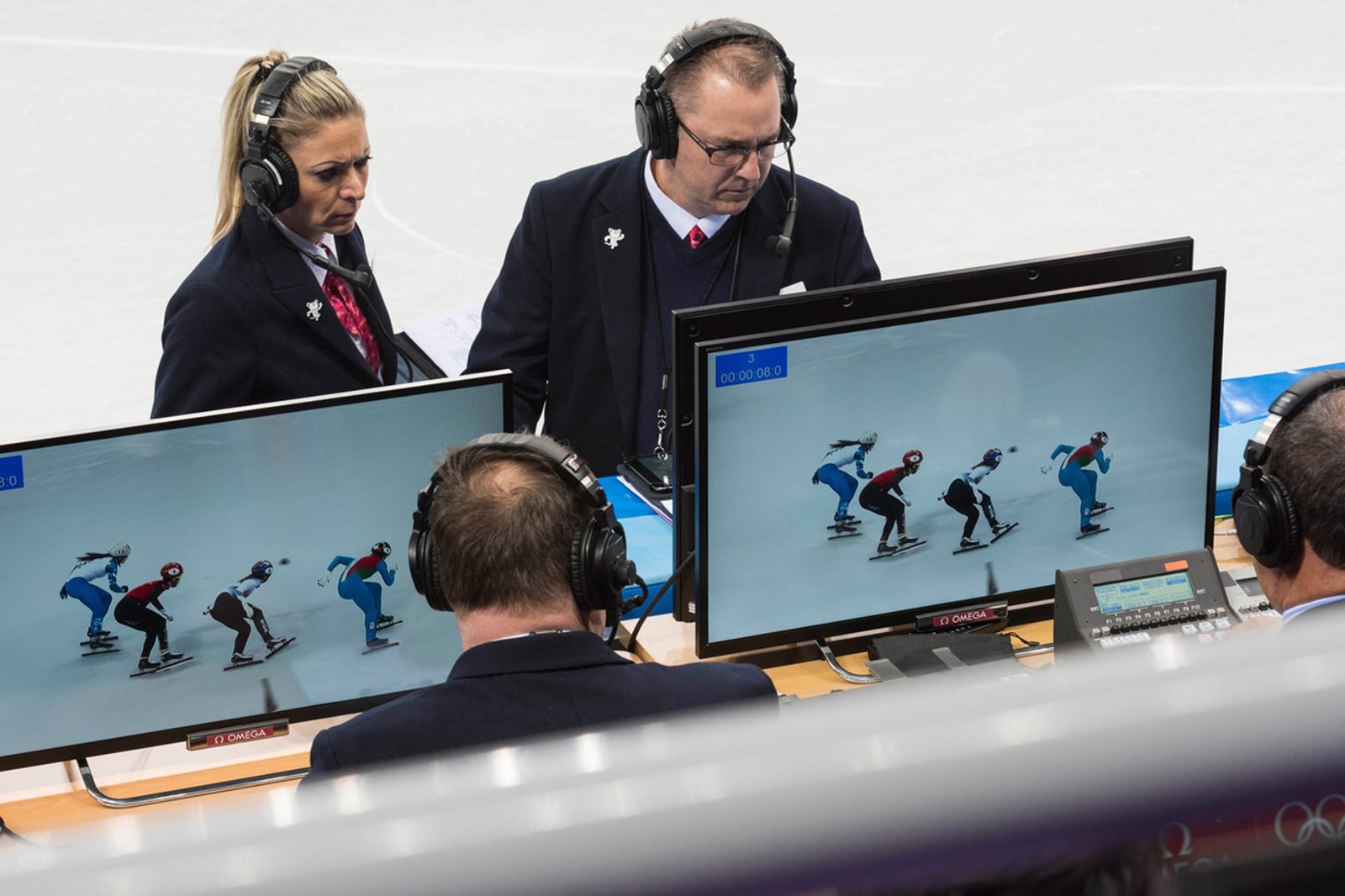
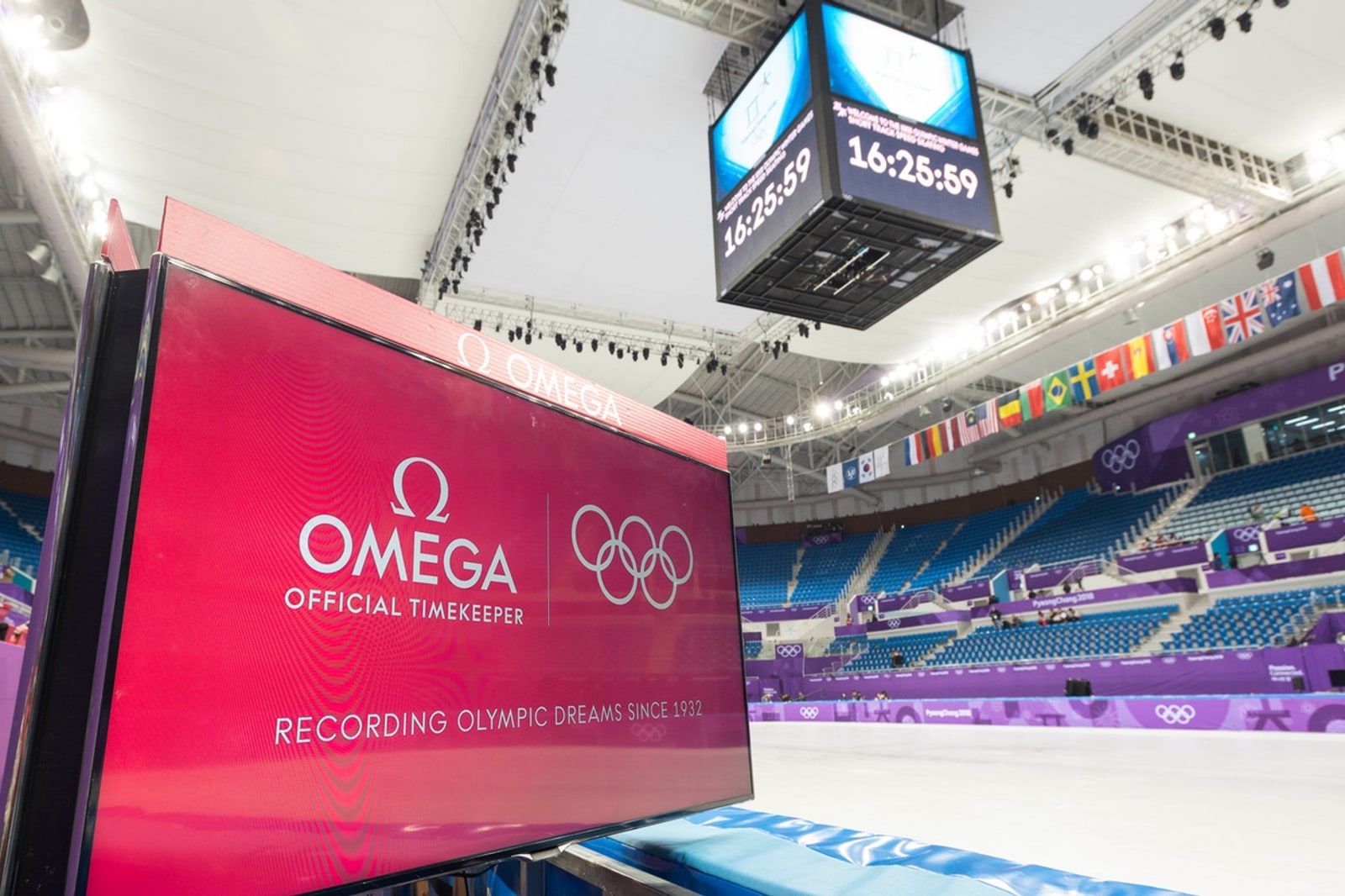
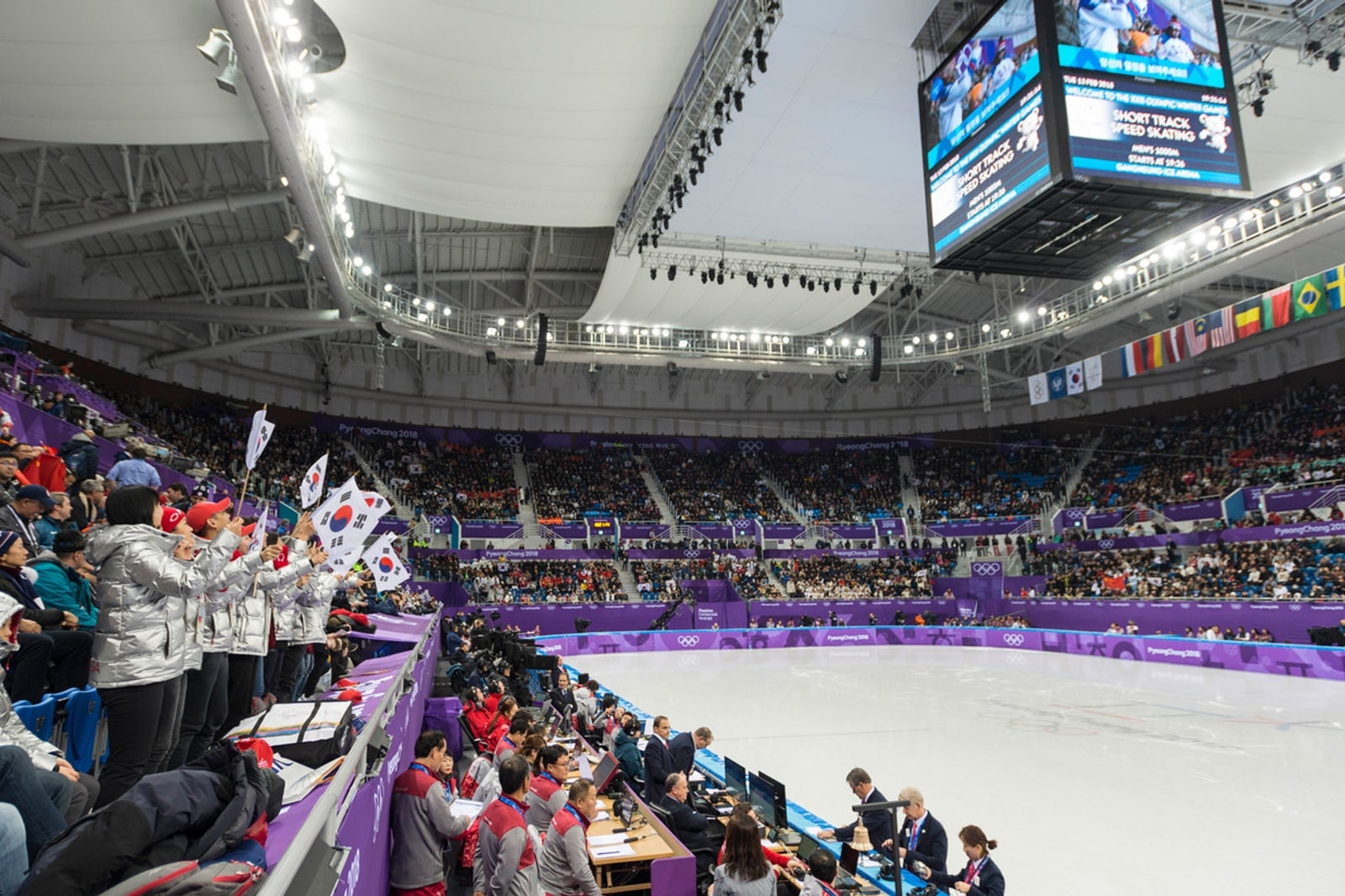
Short Track is a sport that requires precision to the thousandth of a second. Swiss Timing uses a variety of means to time and communicate results. Scoreboards convey real time results to the public and athletes. Each TV or radio commentator has a CIS (Commentator Information System) screen that provides direct and permanent access to all results, and the same results are broadcast live on the Internet.
Most TV graphics are intended to inform viewers of the chronometric progress of athletes during their performance: distance between athletes, speed, intermediate times, reference times. Virtual graphics can be displayed, such as a world record line or the virtual distance between athletes, etc.
During team pursuit races, athletes wear transponders at the ankle (one at each ankle) to record the crossing of the finish line. These results are confirmed using photo finish.